The lyric is more emotive than behavioral. I plan to list all the verbs and categorize them.
The melody uses 3/4 which is less action-oriented than the 2/4 or 4/4 beat pattern.
https://www.umcdiscipleship.org/resources/history-of-hymns-in-the-bulb-there-is-a-flower
Showing posts with label Hymn briefing. Show all posts
Showing posts with label Hymn briefing. Show all posts
Wednesday, July 15, 2020

Saturday, May 16, 2020
Hymn-briefing 聖詩簡介 0003 720 We are one 咱本底有聖神做伴是一體
Hymn-briefing is a new
innovative project at the Taiwanese Presbyterian Church of Greater St. Louis, for
this congregation during the lockdown, and the worship services are carried out
through viewing the pre-recorded video. We try to enhance the quality of the
worship services. Since we have many first-generation Christians who are not
familiar with the convention of hymn singing, in the congregation, briefing on
the hymn to be sung in the worship service seems to be a good and essential way
to facilitate the joy and the spirit of worshiping. 聖詩簡介是在新路易台灣人長老教會為這個會眾所創新的一項方案。
這期間,禮拜堂關閉,禮拜儀式經由觀看錄影進行。我們設法提升禮拜的品質。由於會眾裡有許多第一代基督徒對於傳統的「唱聖詩」並不熟悉,簡介當天要唱的聖詩就成為提升禮拜品質的一項好又必要,可能促使大家享受禮拜的樂取與精神的措施。
Everything we do so far has been exploratory because nobody knows what is the
best way, the right ways, not even the potential ways. The only thing we know
for sure is the demonstration of the Taiwanese pronunciation of the Taiwanese
lyrics. Based on the previous trial with Hymn-study in a Sunday-School class we
thought to touch the theology, the doctrines, and the faith-related subject
might be helpful to the ways we sing. Another thing for sure is the avoidance
of jumping into a drill for the skill of singing and the avoidance from
asking all to sing alike because we should not assume that everyone likes to
sing and the related exercises. 我們已經進行的簡介都是探索性的,因為沒有人真正知道最好的方法、。正確的方法、甚至可能的方法。唯一確知的事項就是示範台與歌詞的發音與咬字。另一件確定的事情就是「避免跳入音樂技巧的磨練,而且避免要大家唱得一模一樣」因為我們不可以預設每個人都喜歡唱歌,喜歡參加有關唱歌的磨練。
Here are some video files to be watched and compare how
others sing and try to sing well while the song does not appear to be written
for performance. 這裡有些範例可以聽看看別人如何設法把這首歌唱好,即使這首歌不像是為演唱而寫的。
Frisk Luft https://www.youtube.com/watch?v=xGD_BFSf90c
Timothy Wright & The Concert Choir https://www.youtube.com/watch?v=DAfCrsLZ2NY
Re-written and Performed By Jars of Clay. https://www.youtube.com/watch?v=cfg5VTyDkyA
Geneva Presbyterian Church, Laguna Hills, CA https://www.youtube.com/watch?v=cMD6evRsrkA
Closing of Jubilee Year of Mercy Mass. St. Faustina Choir, Church of the Divine Mercy, sung as closing hymn https://www.youtube.com/watch?v=YNU-9ODBujk
Updated
for May 17, 2020
Taiwanese
Presbyterian Church of Greater St. Louis
Drafted
by Anthony H. Su, to be improved by all continuously.
Hymn-briefing 聖詩簡介 0003
Updated
for May 17, 2020
Taiwanese
Presbyterian Church of Greater St. Louis
Drafted
by Anthony H. Su, to be improved by all continuously.
Outline 大綱 -- Sound demonstration
1.
The special Taiwanese term of lán/goán.
2.
The pronunciation of Taiwanese lyrics, pointing out the rare words
and the word with alternative pronunciation.
3.
The key points in the lyrics and the melody
4.
The rhythm of this hymn
5.
The half-beat notes
6.
There is no extended notes
7.
The upward melody
8.
The downward melody
9.
The beginning of the melody
10. The ending of the
melody
11. The emotive points - ambiguous
大綱 聲音示範
1.
台語的特殊詞彙 lán / goán
2.
台語發音,指出罕用字及破音字
3.
歌詞跟旋律裡面的重點
4.
這首聖詩的節奏
5.
半拍的聲音
6.
沒有延長的聲音
7.
上升的旋律
8.
下降的旋律
9.
旋率的開始點
10. 旋律的結束
11. 敘/抒情的旋律點 – 不明顯
Key points : melody /
rhythm / text
1.
The stable half-beat motion throughout the whole song is not for
displaying emotion or attitudes, but facilitating rote and suppression of
pondering.
2.
There is no long notes for pondering.
3.
Simple echoing in the first 2 lines and the whole 3rd line
echoing the first two.
4.
Climax is not obvious: “know” in English perhaps can be considered a
climax. The same note is “thus” in Taiwanese lyrics.
5.
Not easy to show up-and-down and run-and-stop.
6.
Written by a Catholic priest for a Catholic church.
7.
Poetic ambiguity prevails the text, lacking transactional verb in the
verse easily memorized and sung most frequently, not like a song that
stimulates or inspires .
重點:旋律 / 節奏 /
歌詞
1.
全程平穩的半拍行進,不在於抒情或表態,而有助於覆/背誦、暫停思考。
2.
沒有長音提供沈思、與感觸的機會
3.
簡單的呼應(第一、二行的後半回應前半;第三行回應前兩行)。
4.
高潮不明顯:英語跟華語的「知道」,台語的「按呢」或許可算高潮。
5.
不容易唱出抑揚頓挫。
6.
由天主教神父為天主教會撰寫的。
7.
模糊的詩情語漫佈全場,被記住也最常唱的第一節缺乏及物/及人動詞。不像振奮人心或引人深思的歌曲。
Key points : melody /
rhythm重點:旋律 /
節奏
1.
The verb for “They” is “know”; those for “we” - are, walk, work, restore, pray, spread, guard, save.
2.
Lacks verbs for “love”.
3.
An implicit challenge to the singers’ concept of “one” is implied.
4.
The 4th verse contains the convention of doxology for
ending a worship service.
5.
The tonic of a minor scale (usually also the ending note) is in the
lower part of this melody.
6.
The highest note, appearing 3 times, is 5 steps above the tonic. The
2nd high note, appearing 3 times in each line, is 4 steps above the
tonic.
7.
The refrain concludes with down flowing melody.
8.
The tonic of a minor scale (usually also the ending note) is in the
lower part of this melody.
9.
The highest note, appearing 3 times, is 5 steps above the tonic. The
2nd high note, appearing 3 times in each line, is 4 steps above the
tonic.
10.
The refrain concludes with down
flowing melody.
11. The range, covering 8 steps, allows everybody to sing easily. This is
not a song to show skills or emotion but an
ordinary tune for everybody to express.
Key points in the melody 旋律裡的重點
1.
「他們」的動詞 -「知道」;我們的「動詞」 - 是、合、併肩、行走、作工、扶持、尊敬、看顧。
2.
缺乏有關「愛」的動詞。
3.
隱含著對於唱者的「合一觀」的挑戰。
4.
第四節包含傳統的「頌榮」歌詞,預存做為「閉會歌」之用的條件。
5.
小調音階的主音 la(通常也是結束音)擺在這個旋律的下端。
6.
最高音出現三次,只高於主音五度。次高音(高於主音四度)在每行各出現三次。可說是偏低的旋律。
7.
副歌以下降旋律作為結語。
8.
小調音階的主音 la(通常也是結束音)擺在這個旋律的下端。
9.
最高音出現三次,只高於主音五度。次高音(高於主音四度)在每行各出現三次。可說是偏低的旋律。
10. 副歌以下降旋律作為結語。
11. 音域剛好8度容許任何人輕易唱出,不是為高手而寫的「展技歌」或抒發歌,而是人人皆宜的普通「唸歌」(敘述歌)。
Closing words
1.
Let’s
imagine that we are reminding ourselves repetitively to have the love of Jesus
in order to be known as Christians.
2.
Let’s
imagine what kinds of love we need to have so that others could know us as
Christians.
3.
Let’s
imagine that how could we show what kinds of love to let others realize that we
are Christians.
4.
Let’s
imagine whether “we are afraid of being
recognized as Christians or not”.
5.
Let’s
imagine how we could witness our faith, pass our faith on to others for good.
6.
Let’
imagine how we could sing this hymn without boring those who hear to ?$^@!.
1.
來想像看看我們重複地提醒自己要有耶穌的愛,好讓別人看得出來是基督徒。
2.
來想像看看我們我們要具備哪些種愛,才會使人看得出是基督徒。
3.
來想像看看我們要如何呈現出哪些種愛,才會使人看得出是基督徒。
4.
來想像看看我們是不是會怕被人看出是不是基督徒。
5.
來想像看看我們如何見證我們的信仰,把這寶貴信仰傳給別人分享。
6.
來想想我們可能怎麼把這首歌唱得不會把聽到的人煩到七葷八素的。
Closing words
1.
Let’s
imagine that we are reminding ourselves repetitively to have the love of Jesus
in order to be known as Christians.
2.
Let’s
imagine what kinds of love we need to have so that others could know us as
Christians.
3.
Let’s
imagine that how could we show what kinds of love to let others realize that we
are Christians.
4.
Let’s
imagine whether “we are afraid of being
recognized as Christians or not”.
5.
Let’s
imagine how we could witness our faith, pass our faith on to others for good.
6.
Let’
imagine how we could sing this hymn without boring those who hear to ?$^@!.
1.
來想像看看我們重複地提醒自己要有耶穌的愛,好讓別人看得出來是基督徒。
2.
來想像看看我們我們要具備哪些種愛,才會使人看得出是基督徒。
3.
來想像看看我們要如何呈現出哪些種愛,才會使人看得出是基督徒。
4.
來想像看看我們是不是會怕被人看出是不是基督徒。
5.
來想像看看我們如何見證我們的信仰,把這寶貴信仰傳給別人分享。
6.
來想想我們可能怎麼把這首歌唱得不會把聽到的人煩到七葷八素的。
Monday, May 4, 2020
Hymn-briefing 0002 018 This is my Father's world to bu sung on May 10, 2020
A brief introduction on video for TPCSTL. 這裡有個為本教會製作的聖詩18首簡介影片
這可以說是一個長老會的聖詩,不是因為作詞者是一個長老會的牧師,不是因為編曲家是一個長老會的音樂家,也不是因為並且它首先出現在長老會的聖詩中,而是因為這首聖詩是許多人拼湊的成品,而且已經歷了許多演變 。 這不是一個偉大人物的絕佳產物,而是許多普通人物的協作,這體現了長老教會的工作方式。 在長老教會中,英雄不是最重要的人物,也不是最受讚揚的人物。
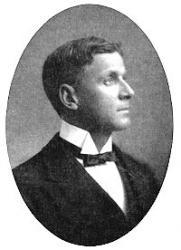 Maltbie D. Babcock (b. Syracuse, NY, 1858; d. Naples, Italy, 1901) graduated from Syracuse University, New York, and Auburn Theological Seminary (now associated with Union Theological Seminary in New York) and became a Presbyterian minister. He served the Brown Memorial Presbyterian Church in Baltimore, Maryland, and the Brick Presbyterian Church in New York City. In Baltimore he was especially popular with students from Johns Hopkins University, but he ministered to people from all walks of life. Babcock wrote hymn texts and devotional, poems, some of which were published in The School Hymnal (1899). Bert Polman… Maltbie D. Babcock(1858年生於紐約錫拉丘茲;
1901年生於意大利那不勒斯)畢業於紐約雪城大學和奧本神學院(現與紐約聯合神學院有關),並成為長老會牧師。
他曾在馬里蘭州巴爾的摩的布朗紀念長老會教堂和紐約市的磚長老會教堂任職。 在巴爾的摩,他特別受到約翰•霍普金斯大學學生的歡迎,但他牧養的對向是各行各業的人。 巴布科克寫過聖詩歌詞和靈修詩,其中一些發表在《校園聖詩》(The School Hymnal,1899年)中。 伯特•波爾曼… Go to person page >
Maltbie D. Babcock (b. Syracuse, NY, 1858; d. Naples, Italy, 1901) graduated from Syracuse University, New York, and Auburn Theological Seminary (now associated with Union Theological Seminary in New York) and became a Presbyterian minister. He served the Brown Memorial Presbyterian Church in Baltimore, Maryland, and the Brick Presbyterian Church in New York City. In Baltimore he was especially popular with students from Johns Hopkins University, but he ministered to people from all walks of life. Babcock wrote hymn texts and devotional, poems, some of which were published in The School Hymnal (1899). Bert Polman… Maltbie D. Babcock(1858年生於紐約錫拉丘茲;
1901年生於意大利那不勒斯)畢業於紐約雪城大學和奧本神學院(現與紐約聯合神學院有關),並成為長老會牧師。
他曾在馬里蘭州巴爾的摩的布朗紀念長老會教堂和紐約市的磚長老會教堂任職。 在巴爾的摩,他特別受到約翰•霍普金斯大學學生的歡迎,但他牧養的對向是各行各業的人。 巴布科克寫過聖詩歌詞和靈修詩,其中一些發表在《校園聖詩》(The School Hymnal,1899年)中。 伯特•波爾曼… Go to person page >
The original poem contained sixteen stanzas of four lines each.[3] The poem was set to music in 1915 by Franklin L. Sheppard, a close friend of Babcock. The tune name, TERRA BEATA, means “blessed earth” in Latin.[4] Sheppard adapted the music from a traditional English melody that he learned from his mother as a child.[5] 原始的詩,包含十六節,每節四行。[3] 這首詩是1915年由巴比考克的密友富蘭克林·謝巴德(Franklin L.Sheppard)配上旋律的。 曲調名稱 “TERRA BEATA”在拉丁語中意為“受祝福之土地”。[4] Sheppard從他小時候從母親那裡學到的傳統英語歌曲的旋律改編了出這首聖詩的曲調。 https://en.wikipedia.org/wiki/This_Is_My_Father%27s_World
One of the peculiarities in this hymn other than its being one of the most popular hymns that almost every hymnal includes it, but in the varieties, it exists. I remember the harmony we use in our 2009 hymnal is different from what I remember as a child. Here is a copy of that old version, scanned from a pocket sized "Hymns of Life" 這首聖詩的特點之一是,它是幾乎所有聖詩集都會納入的「最受歡迎的讚美詩之一」,但卻有多種版本並存。 我記得我們在2009年版的聖詩中使用的和聲與我小時後使用的版本不同。 這裡是有個舊版本的影像,是從我的袖珍版「生命之詩」拍攝而來的。 http://www.christianstudy.com/data/hymns/text/life512.html
https://hymnary.org/hymnal/HOLC1986
Here is a midi file that demonstrates the sound. 這裡有個 汨締聲型音檔可做參考。
http://www.christianstudy.com/data/hymns/midi/lifehymns/512.mid


Another aspect of the variety is in the lyrics. The lyric in the above old version with Chinese lyrics follows the original content in English. In our 2009 edition, the Taiwanese lyrics have some different focus. It emphasizes that "I am praising the Father who made this world" with slightly different examples of His work, while the original English praises "my Father's world" repetitively. 這首聖詩的多樣性的另一個要點是歌詞。 上面的舊版本中文歌詞遵循英語歌詞的原始內容。 在我們的2009年版聖詩中,台語歌詞的涵意有不同的重點。 台語歌詞反覆地唱說,「我心讚美天父,自然,永活之父」,舉出一些上帝創造物的例子。這跟原詩所宣告的「這是我父親的世界」有所不同。
You certainly have the opportunity to sing whichever you prefer. 您當然有機會,透過我們的多語投影片,選擇用你喜歡的版本來唱出這首歌。
congregational singing 這裡有個會眾唱這首聖詩的實況錄音 https://www.youtube.com/watch?v=0l0ovik-lR4
choir performance 這裡有個聖歌隊唱這首聖詩的實況錄音 https://www.youtube.com/watch?v=c1e_zqtMAYM
2020/5/6
As I took the breakfast at sometimes after 1pm, I suddenly ran across a new vision about this hymn. 當我今天在下午1點之後吃早餐時,我突然遇到了一個對這首聖詩的新認識。
This is not a perfect hymn because of many points that demand the singers' attention and special treatment in singing, as shown in the demonstration video. 這並不是一首完美的聖詩,因為在示範影片中,顯出裡面有不少需要唱者在唱出聲音的時候要特別處理的點。
How could such a patchwork of hymn be so well-liked and collected in almost every hymnal? 這樣拼湊起來的聖詩怎麼會好聽到,幾乎每本聖詩集詩都要採用呢?
I believe it is because of special traits in showing the moral of Christian faith, implicitly. 我認為,這是因為裡面暗示著基督教信仰的一些主軸。
A perfect work of hymn might make people praise the writer and the composer with awe and try to sing the song faithfully with perfection. A patchwork of hymn inspires the people to join the process of making it better through re-arrangement, translation, and singing. It demonstration one of the important doctrine about our participation in the creation of God and our duty of tending this world, His product for us with rooms for us to leave our finger and footprints. 一首完美的聖詩詩可能會讓人們讚揚那歌詞作者和作曲者,並嘗試以完美地忠實唱出原作者的寫出來原貌。可是拼湊的聖詩卻會引發許多人的參與,設法重編、翻譯、和用不同的手法唱出來,希望使它變得更好。它正好顯示了關於「我們參與上帝的創造;我們要照料這個世界的責任」這樣的重要教義。;上帝在祂的產品裡留下一些空間讓我們參與、發揮、貢獻,給讓我們一些留下手印和腳跡的空間。
How could we sing this hymn to help others think about our role of maintaining or improving its quality, attraction, and effect on the listeners?
這可以說是一個長老會的聖詩,不是因為作詞者是一個長老會的牧師,不是因為編曲家是一個長老會的音樂家,也不是因為並且它首先出現在長老會的聖詩中,而是因為這首聖詩是許多人拼湊的成品,而且已經歷了許多演變 。 這不是一個偉大人物的絕佳產物,而是許多普通人物的協作,這體現了長老教會的工作方式。 在長老教會中,英雄不是最重要的人物,也不是最受讚揚的人物。
Author: Maltbie D. Babcock
https://hymnary.org/text/this_is_my_fathers_world_and_to_my
Maltbie D. Babcock (b. Syracuse, NY, 1858; d. Naples, Italy, 1901) graduated from Syracuse University, New York, and Auburn Theological Seminary (now associated with Union Theological Seminary in New York) and became a Presbyterian minister. He served the Brown Memorial Presbyterian Church in Baltimore, Maryland, and the Brick Presbyterian Church in New York City. In Baltimore he was especially popular with students from Johns Hopkins University, but he ministered to people from all walks of life. Babcock wrote hymn texts and devotional, poems, some of which were published in The School Hymnal (1899). Bert Polman… Maltbie D. Babcock(1858年生於紐約錫拉丘茲;
1901年生於意大利那不勒斯)畢業於紐約雪城大學和奧本神學院(現與紐約聯合神學院有關),並成為長老會牧師。
他曾在馬里蘭州巴爾的摩的布朗紀念長老會教堂和紐約市的磚長老會教堂任職。 在巴爾的摩,他特別受到約翰•霍普金斯大學學生的歡迎,但他牧養的對向是各行各業的人。 巴布科克寫過聖詩歌詞和靈修詩,其中一些發表在《校園聖詩》(The School Hymnal,1899年)中。 伯特•波爾曼… Go to person page >The original poem contained sixteen stanzas of four lines each.[3] The poem was set to music in 1915 by Franklin L. Sheppard, a close friend of Babcock. The tune name, TERRA BEATA, means “blessed earth” in Latin.[4] Sheppard adapted the music from a traditional English melody that he learned from his mother as a child.[5] 原始的詩,包含十六節,每節四行。[3] 這首詩是1915年由巴比考克的密友富蘭克林·謝巴德(Franklin L.Sheppard)配上旋律的。 曲調名稱 “TERRA BEATA”在拉丁語中意為“受祝福之土地”。[4] Sheppard從他小時候從母親那裡學到的傳統英語歌曲的旋律改編了出這首聖詩的曲調。 https://en.wikipedia.org/wiki/This_Is_My_Father%27s_World
One of the peculiarities in this hymn other than its being one of the most popular hymns that almost every hymnal includes it, but in the varieties, it exists. I remember the harmony we use in our 2009 hymnal is different from what I remember as a child. Here is a copy of that old version, scanned from a pocket sized "Hymns of Life" 這首聖詩的特點之一是,它是幾乎所有聖詩集都會納入的「最受歡迎的讚美詩之一」,但卻有多種版本並存。 我記得我們在2009年版的聖詩中使用的和聲與我小時後使用的版本不同。 這裡是有個舊版本的影像,是從我的袖珍版「生命之詩」拍攝而來的。 http://www.christianstudy.com/data/hymns/text/life512.html
https://hymnary.org/hymnal/HOLC1986
Here is a midi file that demonstrates the sound. 這裡有個 汨締聲型音檔可做參考。
http://www.christianstudy.com/data/hymns/midi/lifehymns/512.mid
Another aspect of the variety is in the lyrics. The lyric in the above old version with Chinese lyrics follows the original content in English. In our 2009 edition, the Taiwanese lyrics have some different focus. It emphasizes that "I am praising the Father who made this world" with slightly different examples of His work, while the original English praises "my Father's world" repetitively. 這首聖詩的多樣性的另一個要點是歌詞。 上面的舊版本中文歌詞遵循英語歌詞的原始內容。 在我們的2009年版聖詩中,台語歌詞的涵意有不同的重點。 台語歌詞反覆地唱說,「我心讚美天父,自然,永活之父」,舉出一些上帝創造物的例子。這跟原詩所宣告的「這是我父親的世界」有所不同。
You certainly have the opportunity to sing whichever you prefer. 您當然有機會,透過我們的多語投影片,選擇用你喜歡的版本來唱出這首歌。
congregational singing 這裡有個會眾唱這首聖詩的實況錄音 https://www.youtube.com/watch?v=0l0ovik-lR4
choir performance 這裡有個聖歌隊唱這首聖詩的實況錄音 https://www.youtube.com/watch?v=c1e_zqtMAYM
2020/5/6
As I took the breakfast at sometimes after 1pm, I suddenly ran across a new vision about this hymn. 當我今天在下午1點之後吃早餐時,我突然遇到了一個對這首聖詩的新認識。
This is not a perfect hymn because of many points that demand the singers' attention and special treatment in singing, as shown in the demonstration video. 這並不是一首完美的聖詩,因為在示範影片中,顯出裡面有不少需要唱者在唱出聲音的時候要特別處理的點。
How could such a patchwork of hymn be so well-liked and collected in almost every hymnal? 這樣拼湊起來的聖詩怎麼會好聽到,幾乎每本聖詩集詩都要採用呢?
I believe it is because of special traits in showing the moral of Christian faith, implicitly. 我認為,這是因為裡面暗示著基督教信仰的一些主軸。
A perfect work of hymn might make people praise the writer and the composer with awe and try to sing the song faithfully with perfection. A patchwork of hymn inspires the people to join the process of making it better through re-arrangement, translation, and singing. It demonstration one of the important doctrine about our participation in the creation of God and our duty of tending this world, His product for us with rooms for us to leave our finger and footprints. 一首完美的聖詩詩可能會讓人們讚揚那歌詞作者和作曲者,並嘗試以完美地忠實唱出原作者的寫出來原貌。可是拼湊的聖詩卻會引發許多人的參與,設法重編、翻譯、和用不同的手法唱出來,希望使它變得更好。它正好顯示了關於「我們參與上帝的創造;我們要照料這個世界的責任」這樣的重要教義。;上帝在祂的產品裡留下一些空間讓我們參與、發揮、貢獻,給讓我們一些留下手印和腳跡的空間。
How could we sing this hymn to help others think about our role of maintaining or improving its quality, attraction, and effect on the listeners?
我們能夠如何唱這首讚美詩,來幫助其他聽到我們歌聲的人去思考「我們那『保持或改善這首歌的品質、吸引力、以及對聽眾的影響」的角色。
Subscribe to:
Comments (Atom)